You press the button, the garage door starts moving down, and then it suddenly reverses. It can be frustrating, especially when you are trying to leave or secure the garage for the night.
When a garage door closes then opens, the opener usually responds to a safety signal or unexpected resistance. Garage door sensor problems are one of the most common causes, but they are not the only possibility. The timing of the reversal can provide an important clue about what is wrong.
Some basic checks are safe for homeowners to complete. However, repeated reversals can also involve the tracks, rollers, door balance, travel settings, or opener components.
Why Garage Doors Reverse While Closing
Modern garage door openers include safety features designed to prevent the door from closing on a person, pet, vehicle, or other object. Photo eye sensors near the bottom of the opening send a beam across the doorway. If that beam is interrupted while the door is closing, the opener should stop the door and reverse it.
The opener also monitors resistance as the door moves. If it detects more resistance than expected, it may treat that resistance as an obstruction. The opener may be reacting correctly to an issue elsewhere in the door system.
What the Timing of the Reversal May Tell You
Pay attention to exactly when the door changes direction:
- If the door reverses almost immediately, check the safety sensors, their wiring, and the area between them.
- If the door lowers partway before reversing, it may be encountering resistance from a roller, track, hinge, or another moving part.
- If the door reaches the floor and then opens again, the close travel setting may be telling the opener to move the door farther than necessary.
- If the door closes only while you continuously hold the wall control, the safety sensor system may not be working properly. Do not treat this as a permanent workaround.
These signs can help narrow down the likely cause.
Common Garage Door Sensor Problems
Something Is Blocking the Sensor Beam
A sensor does not need to be covered completely to interrupt the beam. A small object, spider web, leaf, tool, or piece of stored equipment may be enough. Check the full opening between the sensors, including the floor and bottom seal.
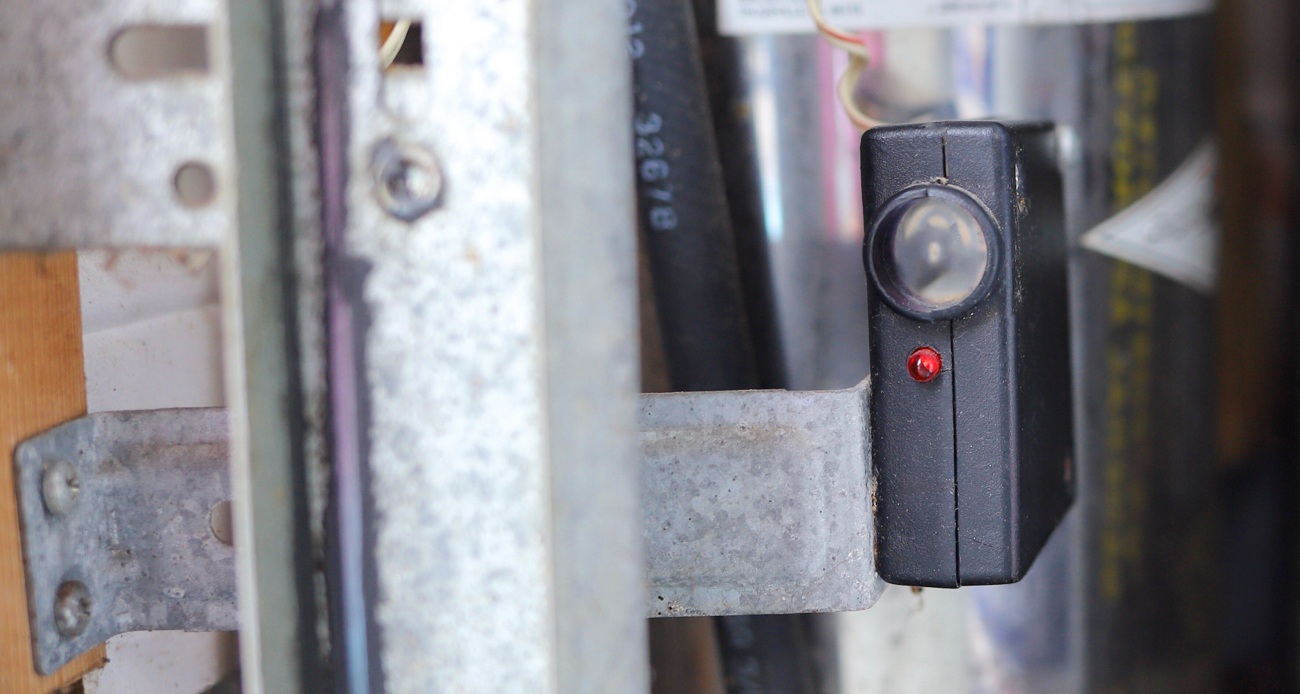
The Sensor Lenses Are Dirty
Dust, dirt, moisture, and cobwebs can interfere with the sensors. Gently wipe each lens with a clean, soft, dry cloth. Avoid using rough material or soaking the sensor with a cleaning product.
After cleaning the lenses, try closing the door once. If the problem continues, the sensors may be misaligned or have an electrical issue.
The Sensors Are Out of Alignment
Safety sensors are mounted close to the floor, making them easy to bump with a trash can, broom, lawn mower, or other garage item. Even a small movement may break the beam.
Many sensors have indicator lights that remain steady when the beam is aligned and blink or turn off when there is a problem. The exact light pattern varies by opener model, so the owner manual can help you determine what the lights mean.
If a bracket is loose or damaged, avoid repeatedly bending it into place. The sensor may need alignment, rewiring, or replacement.
Sunlight, Moisture, or Wiring Is Disrupting the Signal
Direct sunlight can interfere with some sensor receivers at certain times of day. Moisture around a sensor or damaged wiring can also interrupt the signal. If the problem appears only in the morning, afternoon, or after wet weather, note that pattern for the technician.
Check for loose connections, pinched wires, or visible damage, but do not splice the wiring or bypass the safety system.

The Close Travel Setting May Be Incorrect
If the door reaches the floor before reversing, the sensors may not be the issue. The opener has travel settings that tell it where the fully open and fully closed positions are. When the close travel is set too far, the opener may continue pushing after the door reaches the floor. It then senses resistance and reverses.
Travel adjustments vary by opener. Some use adjustment screws, while newer units may use electronic controls. Follow the owner manual for the specific model.
Avoid increasing the force setting simply to make the door stay closed. More force can hide the resistance without correcting its cause and may affect the safety reversal system.
The Door May Be Encountering Mechanical Resistance
The opener can also reverse because the door is binding or moving unevenly. Possible causes include:
- Debris in the tracks
- A damaged or stuck roller
- A bent or misaligned track
- Loose or damaged hinges
- An uneven bottom seal or an object beneath the door
- A balance problem involving the springs
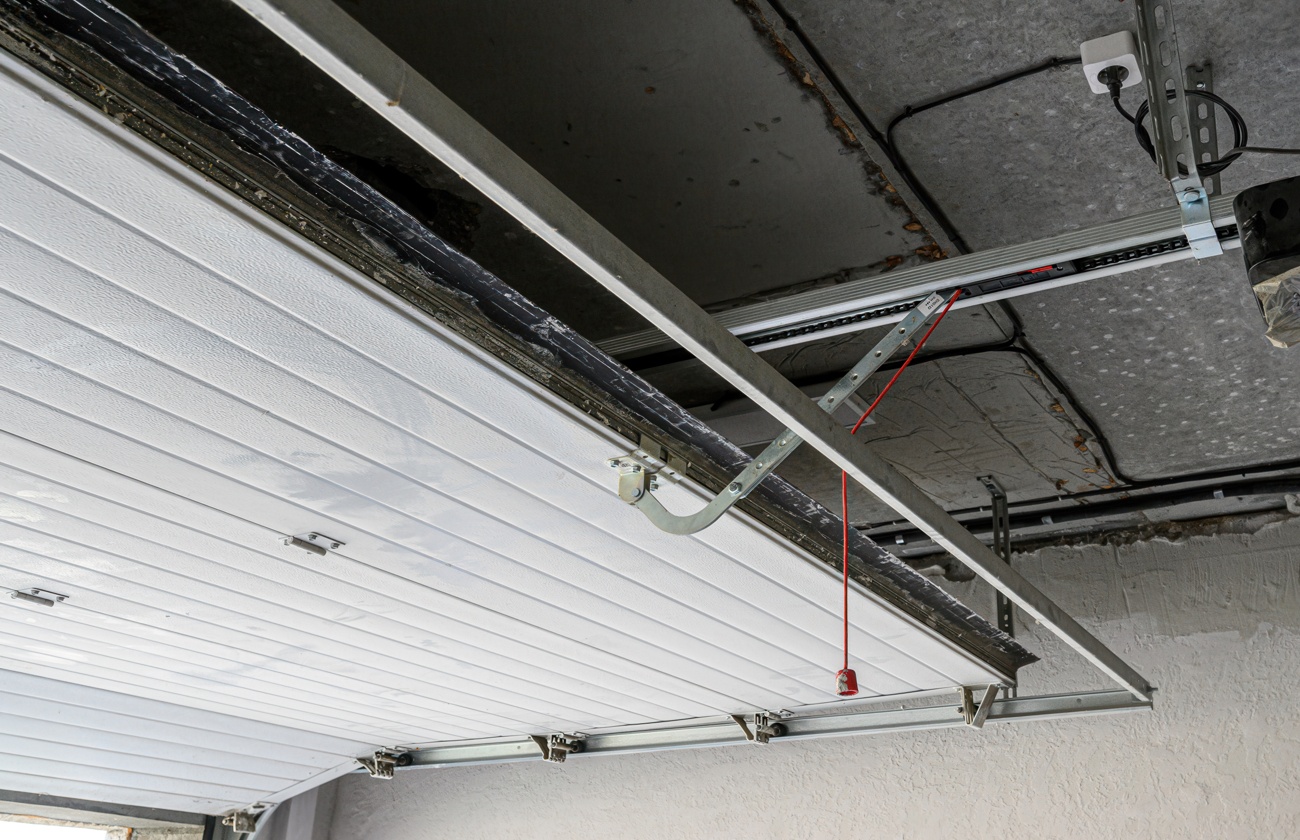
Watch from a safe distance and listen for scraping, grinding, or popping. Look for a section that shakes or becomes crooked. Do not loosen tracks, remove rollers, or adjust springs and cables. These parts support and control a heavy moving door.
The Opener May Have an Internal Problem
Sometimes the cause is inside the opener. A damaged logic board, faulty sensor circuit, worn drive component, or travel system problem can create repeated or intermittent reversals. You may also notice flashing lights, an error code, or unusual motor sounds.
Repair may be possible depending on the opener’s age, condition, and available parts. Older openers may lack the safety features required on newer systems and are often better candidates for replacement.
Safe Checks You Can Make Before Scheduling Service
If your garage door will not stay closed, you can complete a few basic checks without taking apart the door or opener:
- Remove anything near the doorway and sensor path.
- Clean both sensor lenses with a soft, dry cloth.
- Check whether the sensor indicator lights are steady, blinking, or off.
- Look for loose brackets or visible wire damage.
- Check the tracks for debris without loosening or adjusting them.
- Run the door once and note where it reverses.
Stop operating the door if it moves unevenly, becomes crooked, makes a sharp or unusual noise, or has visible damage to a spring, cable, roller, or track.
When to Call for Garage Door Opener Repair
Professional service is a good idea when:
- Cleaning and clearing the sensors does not solve the problem
- The sensor lights continue to blink or remain off
- Wiring is loose, pinched, or damaged
- The door touches the floor and repeatedly reverses
- The door binds, shakes, or moves unevenly
- You must hold the wall control to close the door
- The issue happens intermittently and has no clear cause
The opener and door work together, so correcting the symptoms without checking the complete door can leave the cause in place. During our garage door opener repair service, we inspect the opener, sensors, door balance, and related hardware.
Frequently Asked Questions
Why does my garage door close and then open immediately?
An immediate reversal often points to an interrupted, dirty, misaligned, or malfunctioning safety sensor. An obstruction near the door or a wiring problem may cause the same response.
How do I know if my garage door sensors are bad?
Blinking or unlit indicator lights, repeated reversals, and a door that closes only while the wall control is held can indicate a sensor problem. The lights differ by manufacturer and model, so a technician may need to test the sensors and wiring.
Why does my garage door open again after touching the ground?
The close travel setting may be set too far. When the opener continues pushing after the door reaches the floor, it may detect resistance and reverse. Mechanical resistance or an uneven floor can also contribute.
Can I bypass the garage door sensors?
No. Bypassing or disabling the sensors removes an important safety feature and does not repair the problem. The sensors should be cleaned, aligned, repaired, or replaced as needed.
Get Help When Your Garage Door Will Not Stay Closed
Precision Garage Door Service of Fort Wayne provides professional garage door opener repair throughout Fort Wayne, Allen County, and nearby Northeast Indiana communities. Our technicians complete a 25-point inspection, explain what they find, review your options, and provide a clear quote before repair work begins.
Call by 2 PM for same-day service or book an appointment online in just a few minutes. Evening and weekend appointments are also available.