Winter weather in Northeast Fort Wayne can place extra strain on your garage door system. Cold temperatures stiffen springs, slow down openers, and cause tracks to shift. Regular garage door maintenance before freezing conditions set in helps prevent emergencies, protects moving parts, and keeps your door working reliably all season.
Why Winter Maintenance Matters for Your Garage Door
Cold air affects metal, lubrication, and electrical components throughout your garage door system. When temperatures drop, springs lose flexibility, rollers tighten, and openers work harder than normal. These changes can lead to issues such as:
- Slower door movement
- Loud grinding or squeaking
- Doors that will not open or close
- Strain on the opener motor
- Higher risk of a broken garage door spring
Performing winter maintenance now helps prevent costly repairs later. We see the largest spike in service calls during the coldest months simply because homeowners wait until a full breakdown to address small problems.
Inspect Your Garage Door Springs Before the Cold Sets In
Your springs carry the full weight of the door. If a spring is weakening or cracked, winter temperatures can cause it to snap. A broken garage door spring is one of the most common winter emergencies we respond to in Northeast Fort Wayne.
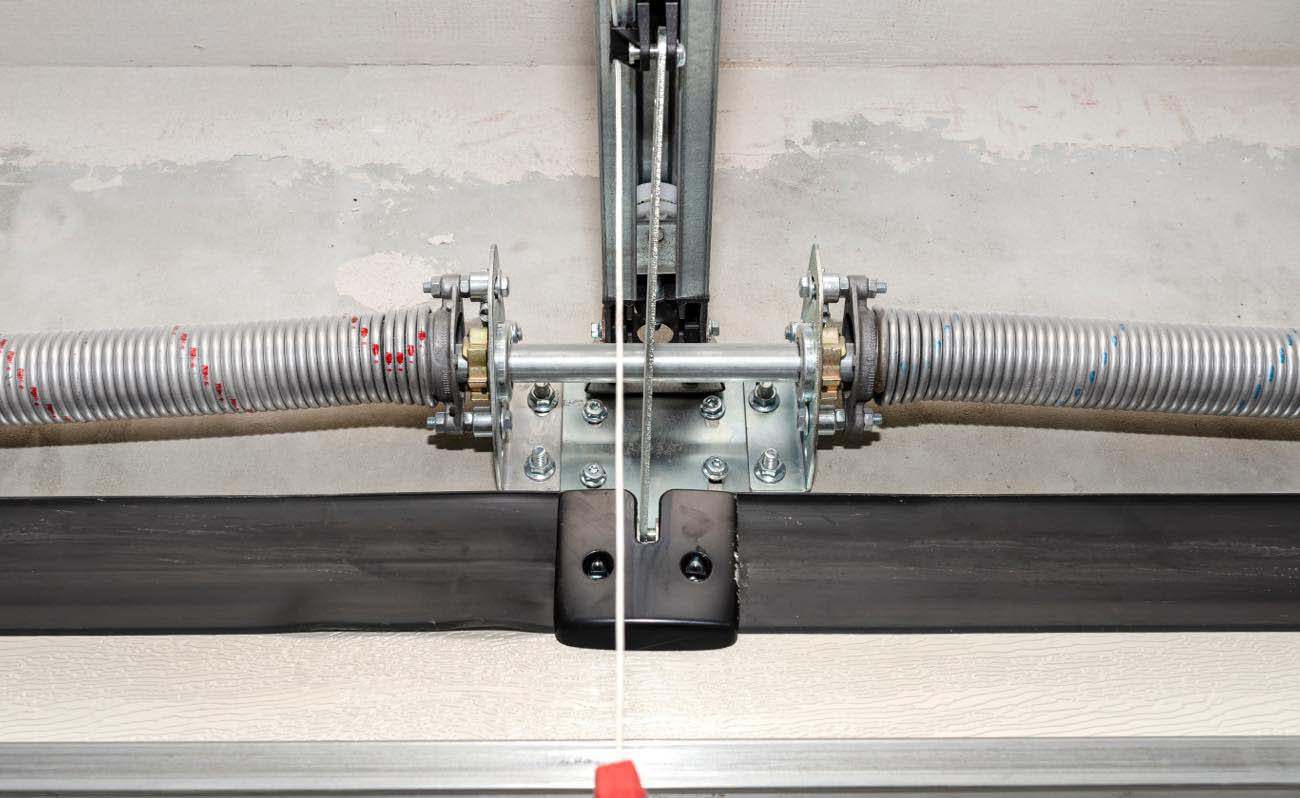
How to Spot Spring Issues
Look for these signs:
- A visible gap in the coil
- Loud popping sounds when the door moves
- The door feels heavy when lifting manually
- The opener struggles or stops mid-cycle
If you notice any of these, you need garage door spring repair as soon as possible. Spring issues should never be handled as a DIY project. Only trained technicians should work on them due to the tension they carry.
Keep Moving Parts Lubricated During Winter
Lubrication thickens in cold weather. Without fresh lubricant, rollers and hinges can grind, scrape, and stall.
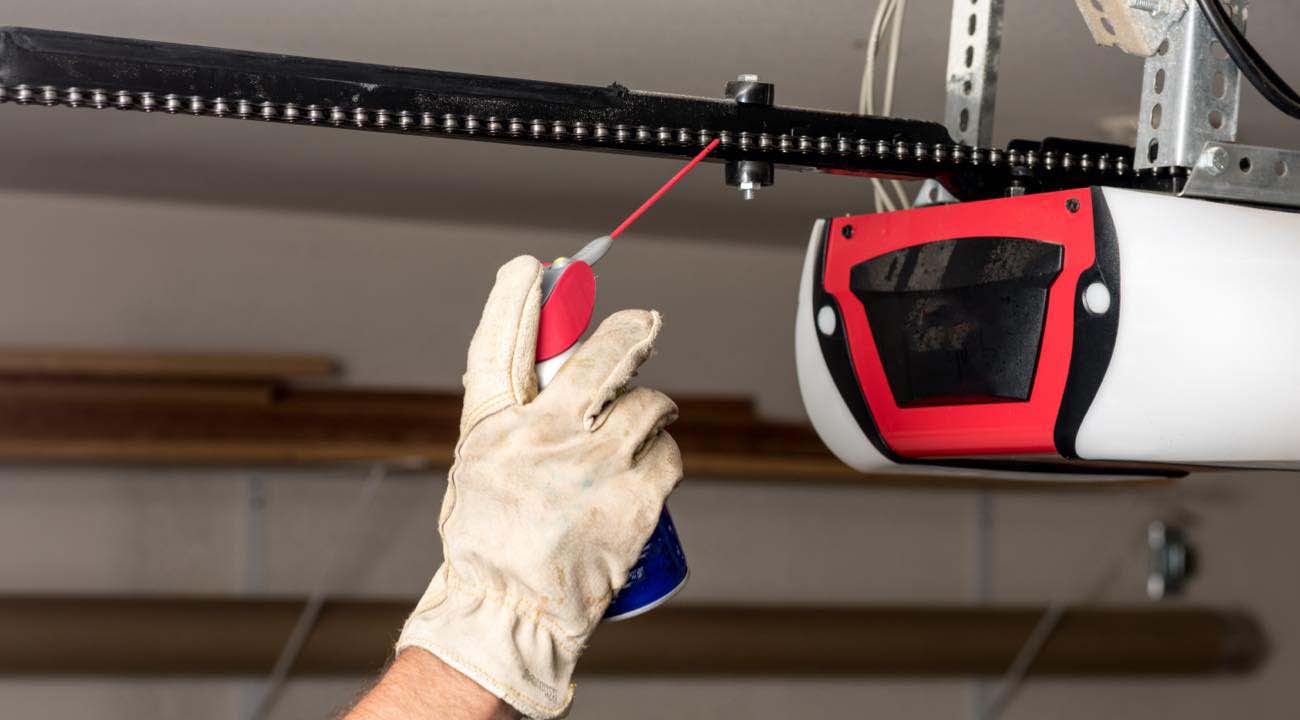
What to Lubricate
- Rollers
- Hinges
- Bearing plates
- Springs (light coating only)
- Do not lubricate tracks; they should stay clean and dry. If the system still sounds loud after lubrication, you may need additional garage door services to check for alignment or worn-out rollers.
Check Your Garage Door Opener for Winter Performance
Cold temperatures can slow or strain the opener motor. Problems may appear as:
- Delayed opening
- Grinding noises
- Sensors that stop working
- The door reversing for no clear reason
These issues often point to the need for garage door opener repair. Our technicians check the motor, gears, sensors, wiring, and travel settings to ensure your opener can handle the winter workload.
Make Sure Your Weather Seals Are Ready for Winter
Weather seals block drafts, snow, salt, and moisture from entering your garage. Damaged seals make your home colder and demand more from your HVAC system.
What to Look For
- Cracked or brittle rubber
- Gaps under the door
- Water or snow inside the garage
- Drafts along the sides
Replacing worn seals is an easy way to prevent moisture damage during winter.
Test Safety Sensors and Auto-Reverse Before Winter Storms
Winter brings more foot traffic from kids, pets, and visitors. It’s important that your safety sensors and auto-reverse mechanism work correctly.
Quick Safety Test
- Close the door using the wall button
- Wave your foot across the sensors
- The door should immediately reverse
If it does not, schedule garage door services before relying on the system through winter.
Clean the Tracks and Ensure Proper Alignment
Dirt, debris, and salt from your vehicle can build up in the tracks. This affects how smoothly the rollers move.
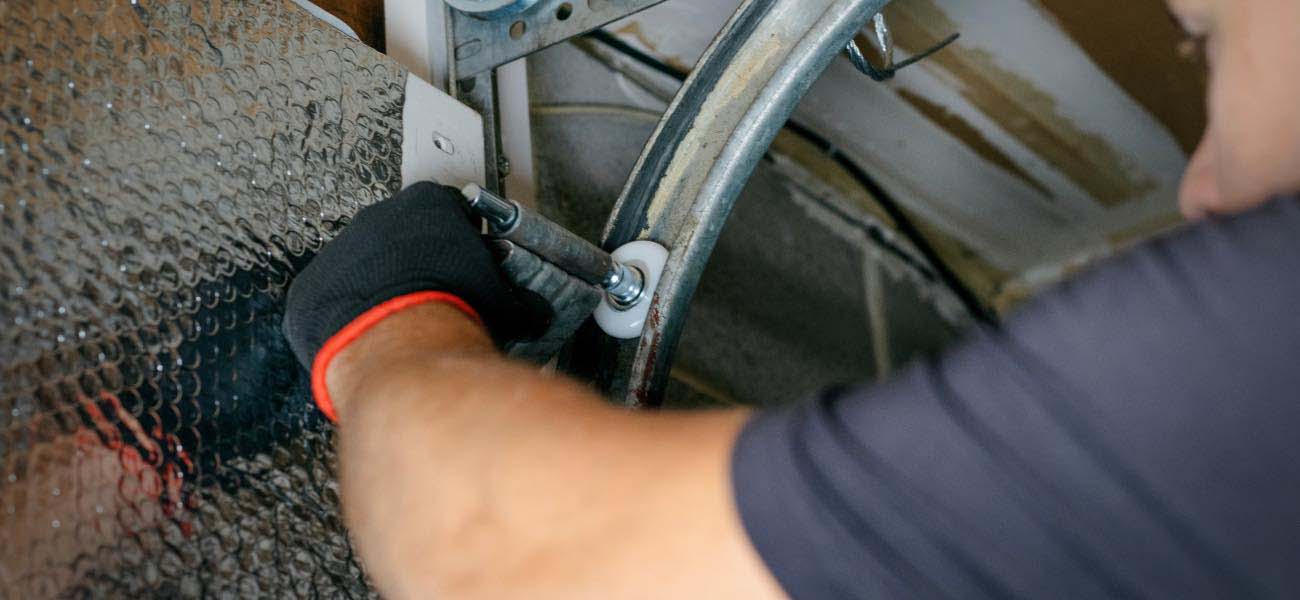
Tips for Track Care
- Wipe tracks clean with a dry cloth
- Ensure there are no dents or bends
- Listen for scraping or grinding
- Avoid adjusting track alignment yourself
Track alignment is a job for a professional. Even slight misalignment can cause winter failures.
People Also Ask
How do you prepare a garage door for winter?
Proper lubrication, inspecting springs, cleaning tracks, and testing the opener are key steps. These prevent cold-weather strain and improve performance.
Why is my garage door struggling in cold weather?
Cold temperatures stiffen springs and rollers, thicken lubrication, and slow opener motors. Winter maintenance helps prevent this.
How often should I schedule garage door maintenance?
We recommend once per year, ideally before winter, especially for high-use doors.
Can cold weather cause a garage door spring to break?
Yes. Springs weakened by age or wear are more likely to snap during winter due to temperature changes and metal contraction.
Should I repair or replace my garage door before winter?
If your door is older, worn, or frequently breaking down, replacement may offer better long-term reliability and insulation during cold months.
Book Your Winter Maintenance Appointment Today
Annual winter preparation is one of the best ways to avoid emergencies, extend the life of your garage door, and keep your home protected from the cold. Garage door systems include heavy components and high tension parts that require proper tools and experience to service safely. Relying on trained professionals helps ensure issues are addressed correctly the first time, reducing the risk of injury, added damage, or unnecessary costs.
If you want to be confident your garage door is ready for the season, book an appointment with us today. Our team will inspect every major component, make necessary adjustments, and help your door operate smoothly all winter long. We are a reliable, long term partner for the care and performance of your home’s largest moving system.